
While it’s easy to agree that universities should be actively working to remove the barriers that prevent students from enrolling and attending, identifying practical ways to do that is often much more challenging, especially as post-secondary enrollment continues to decline at a national level. If resources were unlimited and budget constraints did not exist, eliminating the factors that deter students from pursuing higher education would be far more straightforward. However, that is rarely the case. Colleges and universities are operating within tight budgets and navigating unpredictable revenue streams, which makes it difficult to find a one size fits all solution to recruitment challenges. But what if addressing these barriers does not always require significant financial investment? Perhaps the issue is not solely about resources, but rather that we have not been approaching recruitment with the creativity and flexibility needed to think outside of the box.
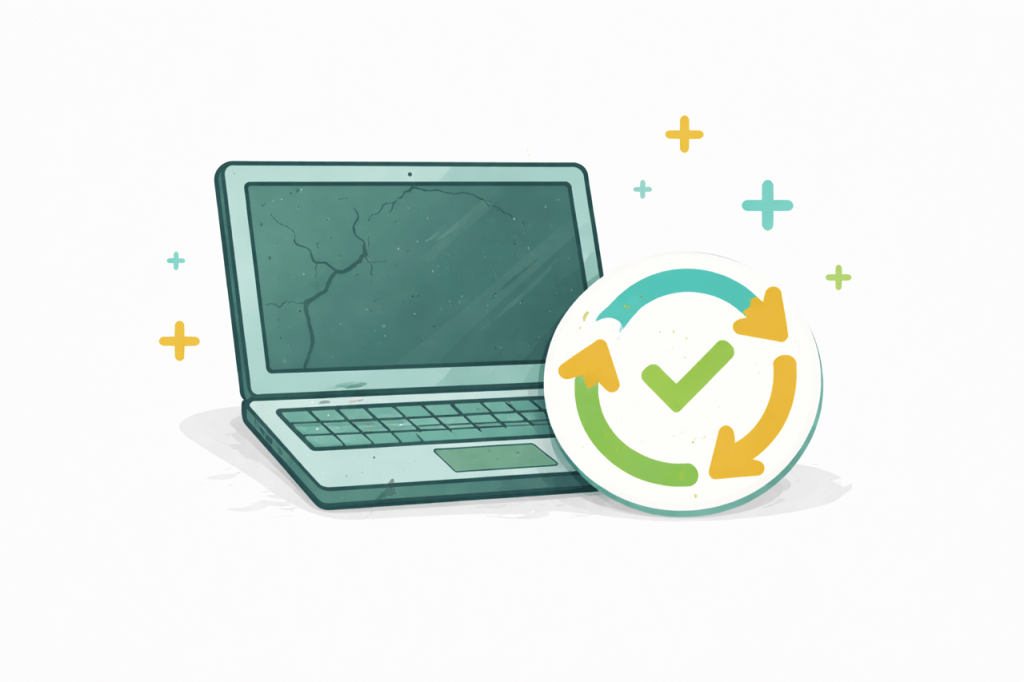
When I consider what universities can do to enhance equitable access, I think of several options that would not place a significant financial strain on the institution but could make meaningful progress in reducing barriers for students. One example would be offering used technology devices to online professional students. At our institution, we are fortunate to include textbooks and laptops in tuition costs for domestic students, but the same benefit is not extended to online professionals. When thinking about why some students choose to remain at home and complete their education online rather than attend classes in person, it is often due to obligations they have outside of school. They may have a job they cannot leave or serve as a caretaker for a family member. Regardless of the reason, it does not seem equitable to restrict access to these resources simply because they are not physically on campus. Our laptops operate on a three-year replacement cycle before being refurbished and sold. What if we retained 10 percent of those laptops and provided them to students who needed them the most? While many online professional students may already have access to a computer, this could remove barriers for those who do not. Reserving a portion of these devices for continued student use would likely have minimal financial impact, especially since the remaining laptops could still be sold. For institutions that do not provide laptops to students, a similar approach could involve offering replaced and updated technology from offices, computer labs, or libraries to students in need.
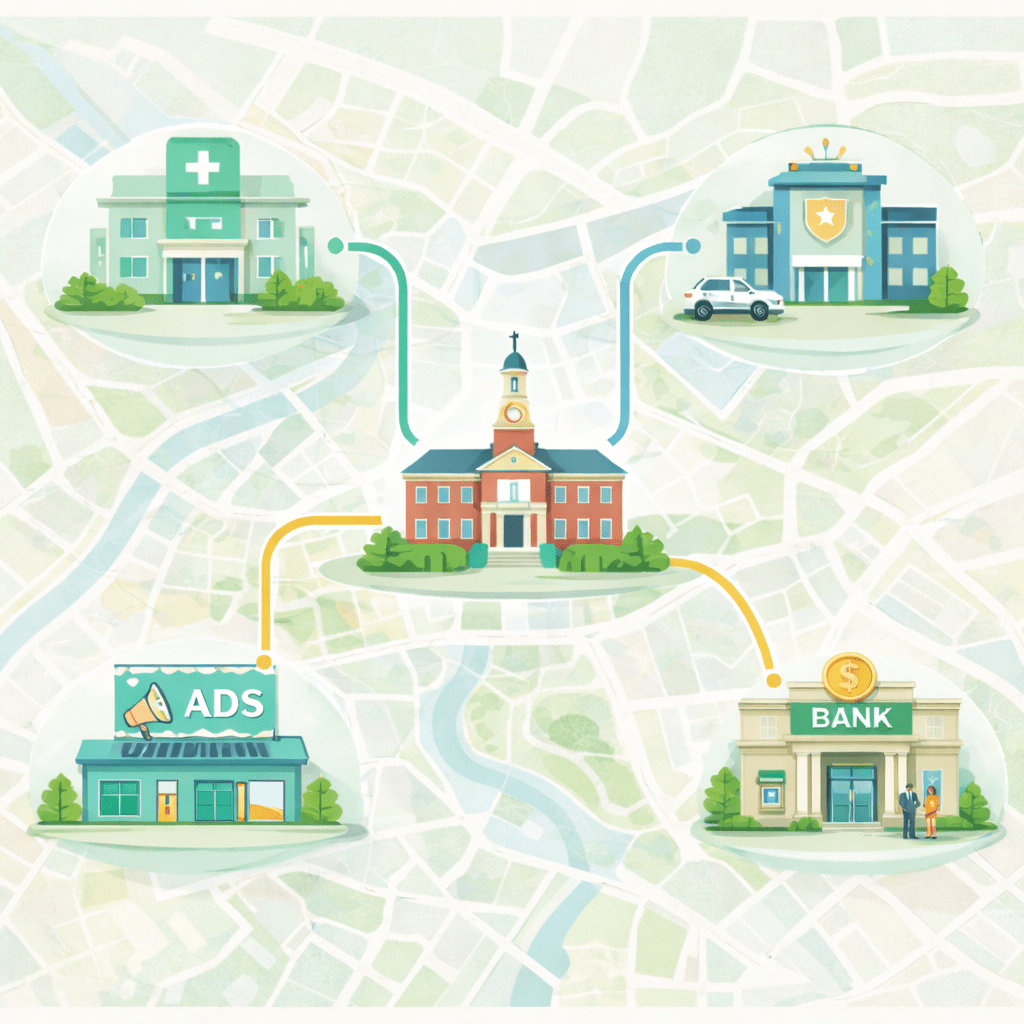
Another way universities could help reduce financial barriers without significantly impacting institutional revenue would be by developing partnerships with regional industry professionals. In this type of model, employers could agree to pay for a portion or even the full cost of a student’s tuition in exchange for a post-graduation work commitment within their organization. Similar programs like this already exist within the agricultural industry, such as John Deere’s technician training programs, where dealerships invest in a student’s education in order to build a more qualified workforce pipeline. Expanding partnership-based tuition assistance into fields such as healthcare, business, marketing, or education could help reduce out of pocket costs for students while still allowing the university to receive full tuition revenue. This type of partnership may be especially helpful for students who need to continue working while enrolled or who have financial responsibilities outside of school. In addition to reducing financial barriers, these partnerships could also strengthen connections between the university and regional employers while improving post-graduation employment outcomes and supporting workforce development in rural communities.
While these strategies focus on reducing financial barriers through creative resource allocation and partnerships, it is also important to recognize that not all barriers to postsecondary access are financial in nature. In some cases, students may encounter informational barriers that limit the opportunities long before cost becomes a consideration. To gain additional perspective on these challenges, I spoke with a colleague who works directly with prospective students throughout the admissions process. Given her day-to-day experience supporting students as they navigate admissions requirements and scholarship eligibility, she offered valuable insight into how early academic awareness can influence students’ postsecondary opportunities.
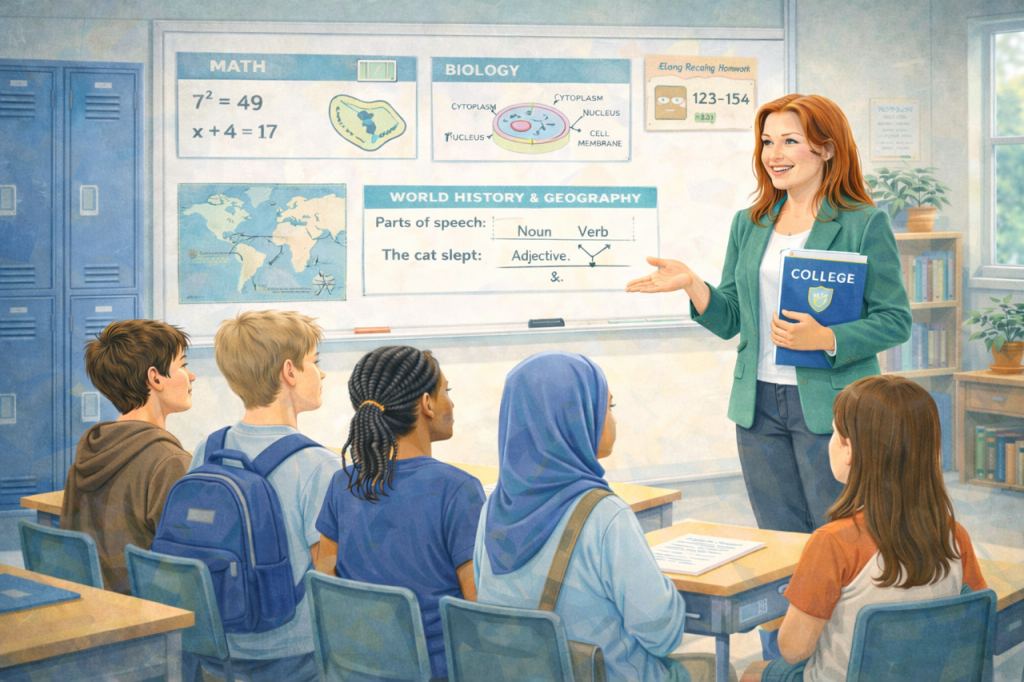
In our conversation, she shared that many students don’t realize the long-term impact their academic performance can have on future opportunities until much later in the admissions process. This lack of awareness can limit scholarship eligibility and postsecondary options before students are even seriously thinking about college. She also noted that while outreach efforts are typically directed toward high school freshman and sophomores, “it can be as beneficial as early as middle school to start sharing these concepts with the students.” Introducing college readiness concepts earlier in the educational pipeline may allow institutions to address these barriers before they begin to negatively impact students’ academic trajectories. From an admissions standpoint, she explained that conversations surrounding GPA requirements and scholarship eligibility often occur when students have limited opportunity to make meaningful academic changes prior to graduation. Beginning outreach efforts earlier in a student’s educational experience may allow institutions to shift from reacting to academic outcomes to proactively supporting students in making informed decisions that align with their postsecondary goals, without requiring additional financial investment.
Thinking outside the box when it comes to recruiting and retaining students can provide meaningful solutions without placing additional strain on an institution’s financial systems. As postsecondary institutions continue to navigate shifting enrollment trends and evolving student needs, it’s becoming increasingly important that we remain adaptable and creative in how we approach recruitment. The same processes and procedures that have guided our efforts in the past may no longer be sufficient in today’s higher education landscape. By implementing innovative, low-cost approaches such as resource redistribution, employer partnerships, and earlier outreach initiatives, institutions can work to remove both financial and informational barriers that may otherwise limit students’ postsecondary opportunities.
 Confessions of a College Recruiter
Leave a comment